I chose the topic of autonomous driving because I think with how fast technology is moving, this isn’t far away from being a common part of our lives. Assisted driving is already here, but no human intervention driving is in the near future. It scares me at first to think that a computer could be driving me from one destination to another, but at the same time it is very exciting. There is a lot that goes into these self-driving cars, and people have a lot of questions about it. I believe that this will become a more widely discussed topic in 2020 because of how close these companies are to finalizing these cars.
Autonomous driving has been in the vision of tech and car companies for years including Google working with its partner company Waymo for the past decade now.
It is a tech topic that has been talked about, tested, and put into work. But when is it going to be a part of our everyday lives? Waymo, Cruise, Argo, and Aurora are some examples of tech companies that large companies own or are investing in to help stimulate the process of self-driving cars. This tech topic will continue to generate a great amount of excitement. “Tesla chief Elon Musk said he expects his company to create a truly complete autonomous vehicle by this year, and the number of vehicles capable of operating with a lesser degree of autonomy – such as automated breaking and lane-changing” (Marr, 2019). Many experts find it hard to believe that Tesla can pull this off considering these cars will have to deal with unusual circumstances that humans may be able to notice a lot easier when driving. Musk also stated that Tesla would have as many as a million autonomous “robot taxis” by the end of 2020 (Boudette, 2019).
The first problem in the industry that put a huge set back on things was when the self-driving Uber hit and killed a woman even though there was a safety driver in the driver’s seat. She just happened to be watching a tv show while this happened. This incident put things into reality for these companies and made them realize that this might be a lot harder than they thought. When thinking about self-driving cars, people want to know that they are going to be safe, almost like they are traveling on public transportation. Eighty percent of the technology put into these cars including the radar, sensors, and cameras has been done by many companies, …”but the remaining 20 percent, including developing software that can reliably anticipate what other drivers, pedestrians and cyclists are going to do, will be much more difficult” (Boudette, 2019). Companies are going to get scrutinized when a death is caused by an automated car even though people driving cars is one of the leading causes of death in the United States.
Some other restraints are dealing with city and state legal requirements. How will these self-driving cars be regulated? What is the insurance liability on a car that someone owns or a taxi they are getting picked up in? Currently it is easier for companies to put these self-driving vehicles on the road in a more controlled setting. For example, in some cities there are self-automated golf carts that… “travel short, defined routes at no more than 25 miles per hour” (Boudette, 2019). For now, this is a great way of using the technology until further trial and error is tested.
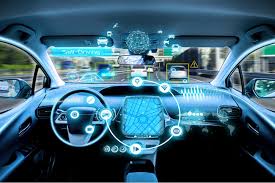
One of the most important things about self-driving cars is what it will bring to business and how it will affect the market. This will lead to a much larger breakthrough for companies such as Amazon. That is why they are investing millions of dollars in these tech companies so later on it will pay off with trucking and shipping. It makes these large companies even bigger and replace more jobs leading to cheaper costs in the long run for companies. This will affect a variety of industries in many different ways. At the end of the day, businesses are always looking for a way to invest in themselves in order to find cheaper costs.
 Scott Mehan's mis 304 blog